
- English
- Español
- Português
- русский
- Français
- 日本語
- Deutsch
- tiếng Việt
- Italiano
- Nederlands
- ภาษาไทย
- Polski
- 한국어
- Svenska
- magyar
- Malay
- বাংলা ভাষার
- Dansk
- Suomi
- हिन्दी
- Pilipino
- Türkçe
- Gaeilge
- العربية
- Indonesia
- Norsk
- تمل
- český
- ελληνικά
- український
- Javanese
- فارسی
- தமிழ்
- తెలుగు
- नेपाली
- Burmese
- български
- ລາວ
- Latine
- Қазақша
- Euskal
- Azərbaycan
- Slovenský jazyk
- Македонски
- Lietuvos
- Eesti Keel
- Română
- Slovenski
- मराठी
- Srpski језик
- 简体中文


-

Exhibition
-

Research and Development
-

Workshop
-

League Construction
-

SGS VR
-

Warehouse
Featured Products


ABout US
Ningbo Qingjie Medical Devices Co.,Ltd is located in Ningbo, Zhejiang Province, A "water town in the South of the Yangtze River". It is a high-tech enterprise specializing in developing, producing and selling medical gas engineering supporting products. Our mainly products include oxygen regulator, gas outlets, vacuum regulator, etc.
The company has core technology professionals, excellent technical ability of the R & D team advanced production management process, experienced marketing personnel with fast and efficient manufacturing capacity, also has a rich supporting processing and manufacturing resources, rich product supply chain; Convenient, fast and efficient logistics resources.
With excellent professional technology, high quality products, fast and efficient technical support. Customers throughout the country and Southeast Asia, Taiwan, Hong Kong and other regions: the products are exported to Europe, America, Australia, Africa and the Middle East and other countries and regions.

News
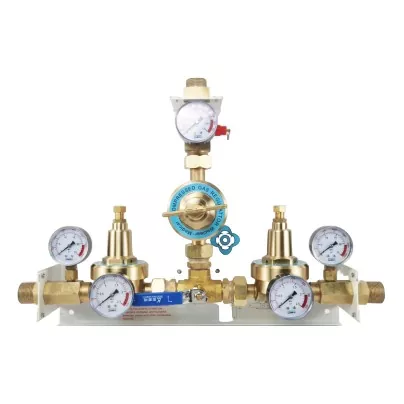
Why Is the Manual Gas Manifold a Critical Component for Hospital Central Oxygen Supply Systems?
In healthcare facilities, the reliability of medical gas supply systems is directly linked to patient safety and treatment outcomes. The Manual Gas Manifold from Weclearmed plays a critical role in central oxygen supply systems, ensuring a continuous and stable flow of medical gases such as oxygen, nitrogen, and nitrous oxide. This article examines the design features, technical specifications, and applications of this gas manifold system, and why its open design, all-metal brass construction, and manual switching capability make it a trusted choice for hospitals and medical facilities worldwide.
Read More
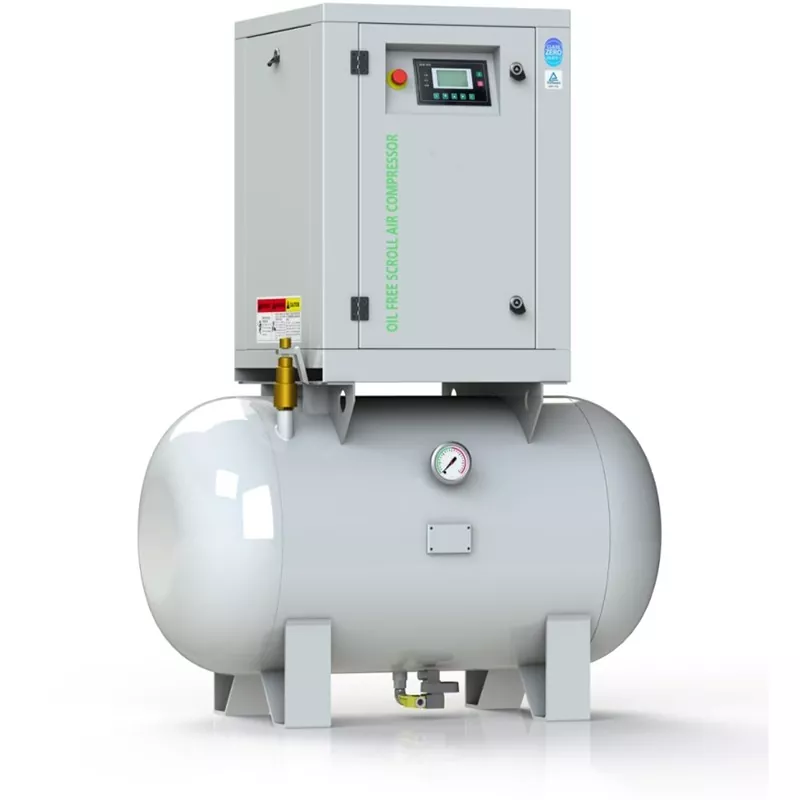
Why Are Oiled Screw Pump Units the Preferred Choice for Reliable Medical Air Supply Systems?
Hospitals and healthcare facilities rely on a constant, dependable supply of medical air for patient care, surgical procedures, and critical care applications. The air compressors that produce this gas must be reliable, efficient, and capable of operating continuously without compromising air quality. Among the available technologies, oiled screw pump units have gained favor for their proven reliability, long service life, and consistent performance under demanding conditions. We examine the Oiled Screw Pump Units from Weclearmed, exploring their design features, key specifications, and the applications where they deliver significant value. We also look at the manufacturing capabilities and quality standards that make Weclearmed a trusted name in medical gas equipment.
Read More

How Do Medical Gas Pipelines Ensure Hospital Safety?
Medical gas pipelines are critical infrastructure in healthcare facilities, delivering oxygen, nitrous oxide, medical air, and vacuum systems to support patient care and clinical operations. This guide explores the design, installation, safety considerations, and maintenance requirements of medical gas pipelines. It also addresses common challenges faced by hospital engineers and administrators, providing practical insights for reliable and compliant pipeline systems. Weclearmed provides professional medical gas pipeline solutions that meet regulatory standards and ensure continuous, safe operation for healthcare facilities.
Read More

How Does a Medical Gas Valve Box Improve Safety and Efficiency in Healthcare Facilities
In modern hospitals and healthcare buildings, the reliability of medical gas systems directly impacts patient safety and clinical efficiency. This in-depth guide explores how a Medical Gas Valve Box supports safe gas distribution, rapid emergency response, and compliance with international standards. Drawing on practical experience and industry expertise from WeClearMed, this article explains structure, applications, selection criteria, installation considerations, and frequently asked questions to help decision-makers choose the right solution with confidence.
Read More

How can medical gas filling stations prevent gas leaks?
Medical gas filling stations in hospitals store life-saving or therapeutic gases like oxygen and nitrogen. A leak could range from affecting treatment to potentially causing an explosion – the consequences are unimaginable. Therefore, leak prevention is absolutely paramount for filling stations. However, this isn't without solutions. By addressing every aspect from equipment design to daily operation, potential leaks can be nipped in the bud. Let's discuss this step by step.
Read More

If ICU equipment malfunctions during use, how many hours does the manufacturer's after-sales response time need to be kept within to reduce the risk of delayed treatment?
ICU equipment is no ordinary piece of equipment; each piece of equipment holds the patient's life at risk. If this equipment breaks down during use, it can be a serious problem, and in serious cases, even fatal. For example, if a monitor breaks down and the patient's vital signs are lost, the doctor is effectively blinded, unable to detect changes in the patient's condition. Once the optimal treatment window is missed, the patient is in danger. Therefore, ICU equipment failure is truly no small matter; it can directly affect life and death.
Read More